

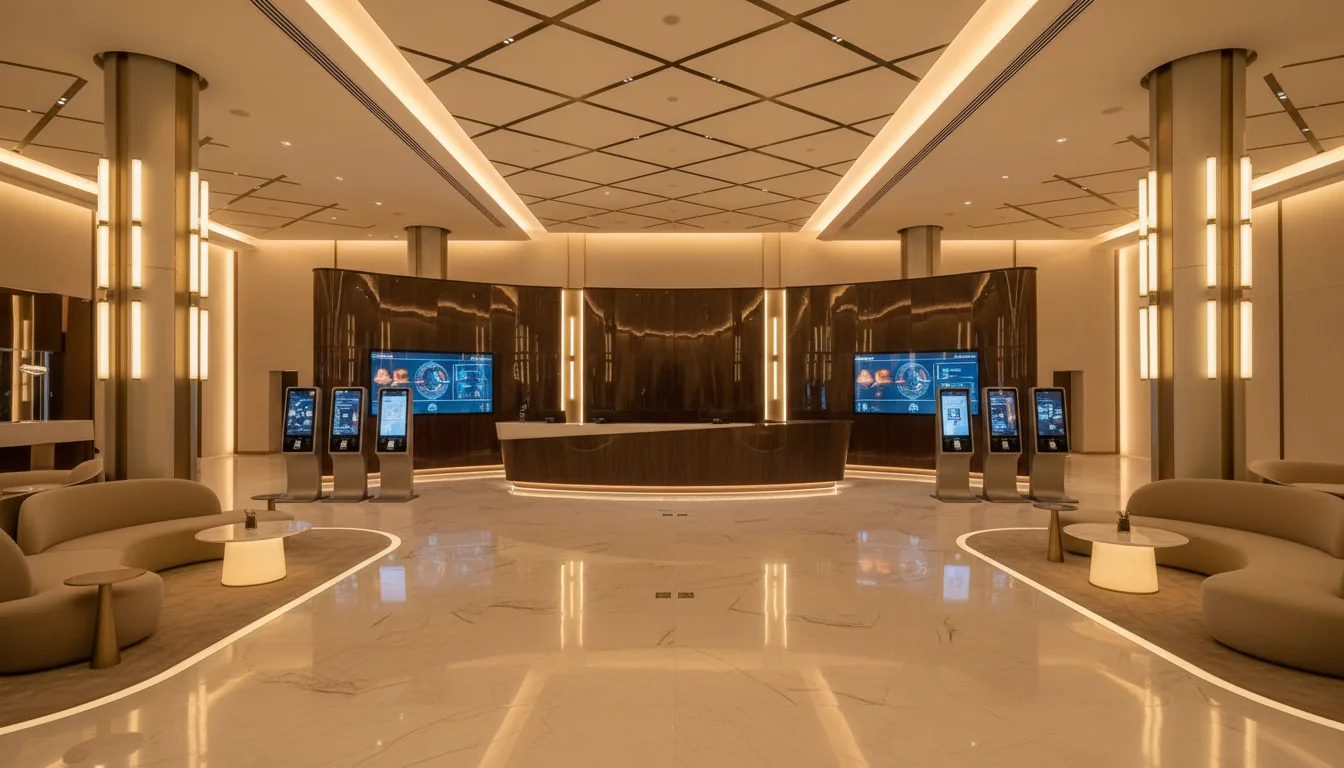
Saudi Arabia's Vision 2030 strategic framework has positioned tourism as a central pillar of economic diversification. The scale of ambition is unprecedented: 362,000 new hotel rooms by 2030, representing a USD 110 billion investment in hospitality infrastructure. This expansion encompasses mega-projects of extraordinary scope — NEOM, The Red Sea, AMAALA, Diriyah Gate, and Qiddiya — each requiring sophisticated access control solutions.
Scale of the Opportunity
To contextualise the scale: 362,000 hotel rooms, assuming an average of 3 to 5 keycards per room (accounting for replacements, multi-key rooms, and staff cards), represents a demand pipeline of over one million RFID keycards for initial deployment alone. Ongoing replacement cycles, seasonal tourism fluctuations, and guest turnover create sustained annual demand measured in the millions.
The majority of new rooms fall within luxury and upscale segments, which favour premium MIFARE DESFire keycards with custom printing, advanced security, and multi-function capabilities.
Technology Requirements Evolving
Vision 2030 properties are not simply building hotels — they are building smart cities and integrated resort ecosystems. NEOM, for example, aims to be a living laboratory for emerging technology. Access control in these environments must integrate with broader smart city infrastructure: transportation, payment systems, identity management, and IoT platforms.
This creates demand for keycards and wristbands that go beyond room access — serving as multi-purpose credentials across entire destination ecosystems.
Global Events as Catalysts
The 2029 Asian Winter Games (at NEOM's Trojena), World Expo 2030, and the 2034 FIFA World Cup will each trigger concentrated waves of hospitality development and keycard demand. Over 230,000 hotel rooms are planned specifically to support the FIFA World Cup, creating the single largest one-time procurement opportunity for RFID keycards in the Middle East.