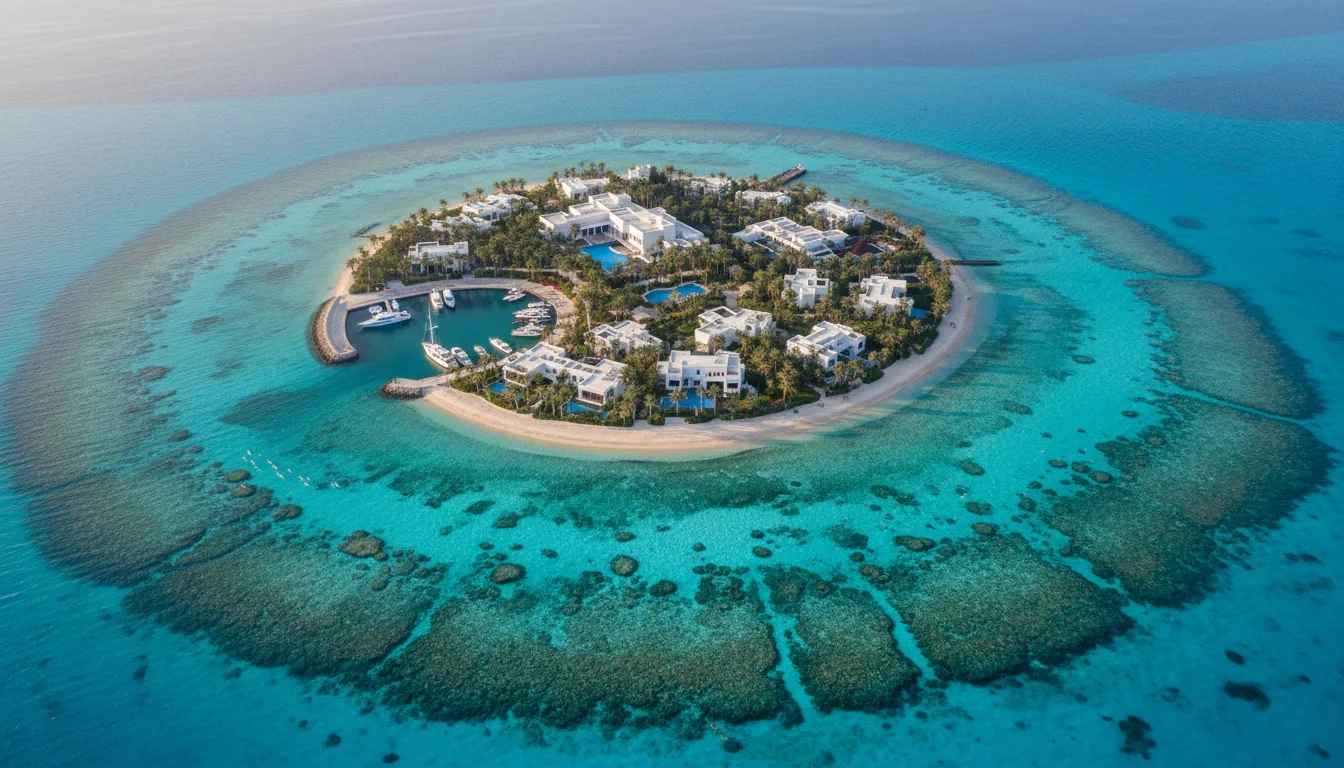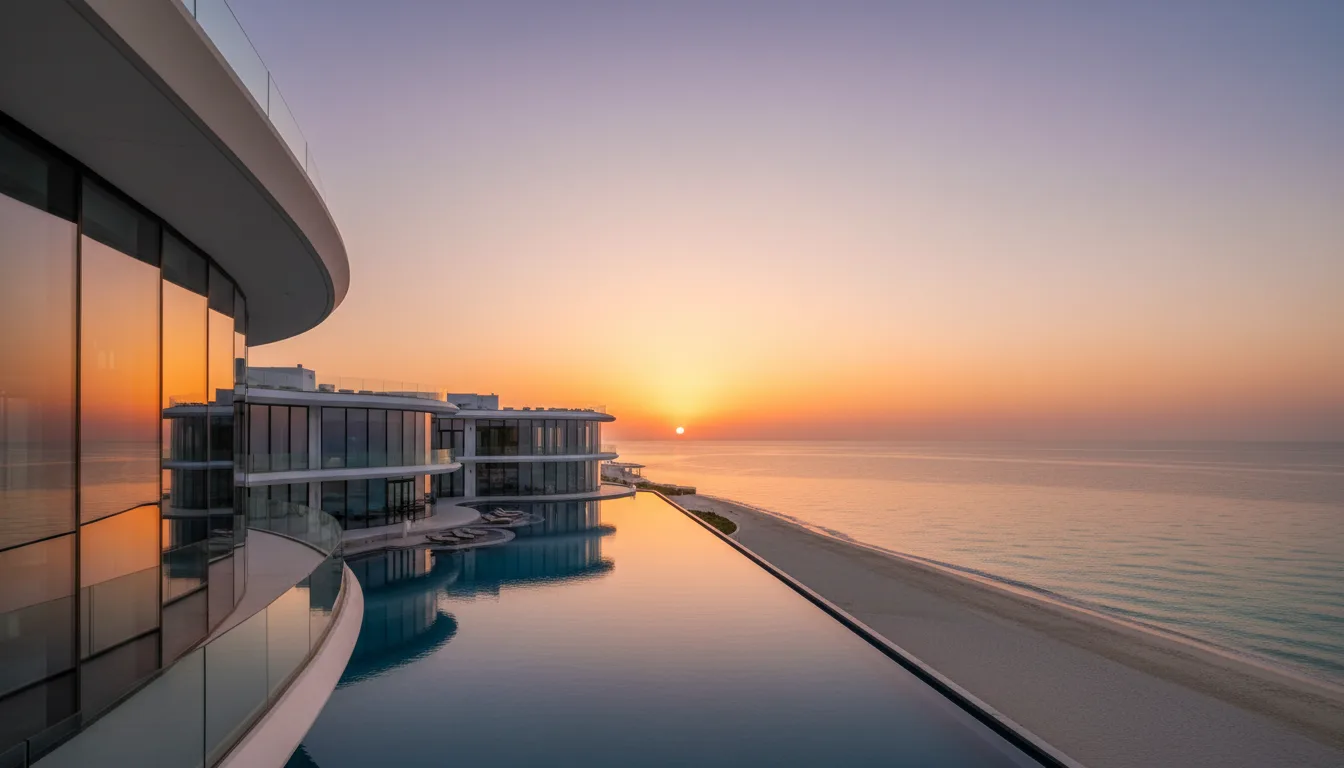
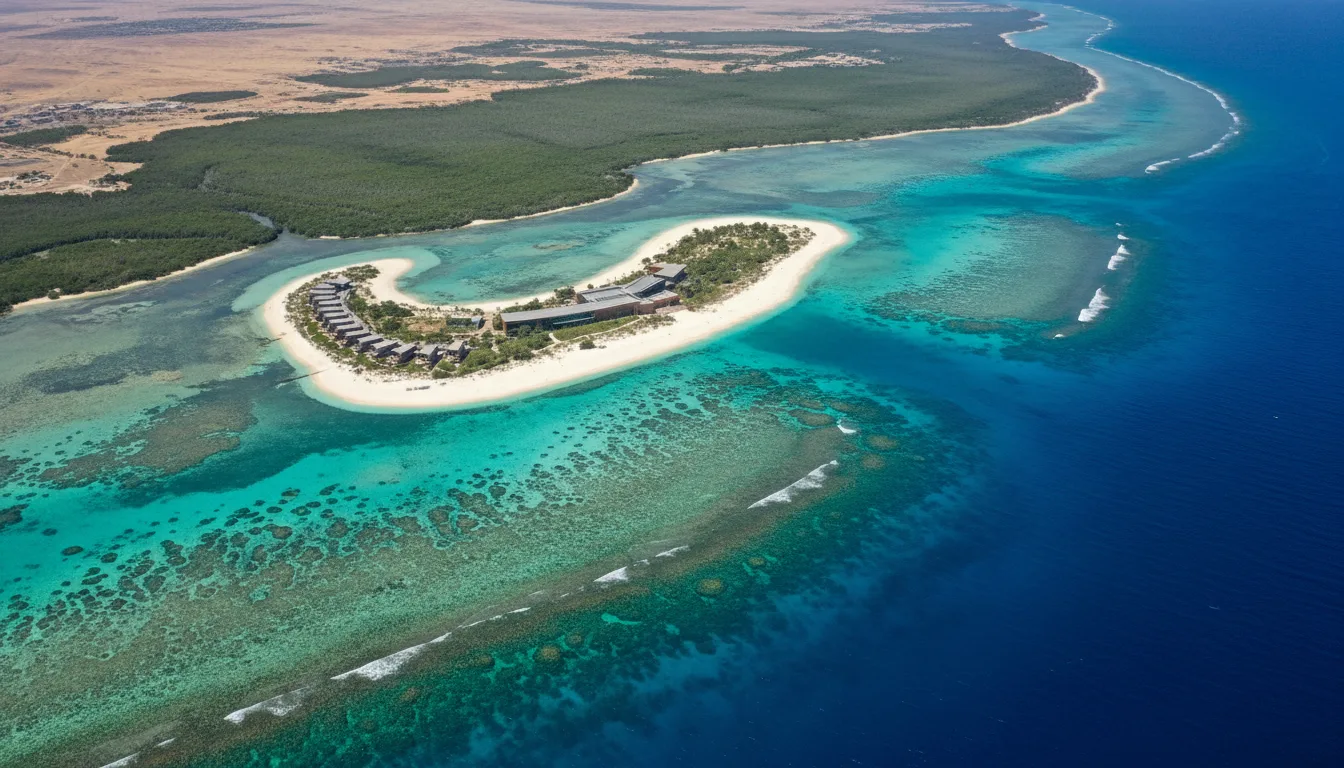
The Red Sea destination, developed by Red Sea Global (formerly The Red Sea Development Company), is one of Saudi Arabia's most ambitious tourism mega-projects. Spanning 28,000 square kilometres with 81 planned resorts across 22 islands and mountain and desert locations, the project aims to be a model for regenerative tourism — setting and enforcing the highest environmental standards while delivering a world-class luxury experience.
Sustainability as a Core Requirement
The Red Sea destination has committed to running entirely on renewable energy and achieving a 30% net conservation benefit. This sustainability commitment extends to every aspect of resort operations, including procurement. Hotels within the development face guidelines that prioritise sustainable materials, waste reduction, and environmental impact minimisation.
For keycard suppliers, this translates to demand for eco-friendly materials: recycled PVC, FSC-certified wooden cards, biodegradable substrates, and waterless printing technologies. Properties at The Red Sea may require documented carbon footprint data for their keycard procurement as part of their environmental reporting.
Scale and Phasing
Red Sea Global's Shebara Resort was recognised in Time magazine's World's Greatest Places 2025 list, signalling the destination's arrival on the global luxury travel map. As resorts open in phases through 2030, keycard demand will scale progressively — from initial openings requiring tens of thousands of cards to a mature portfolio requiring ongoing supply of millions annually.
Technology Integration
The Red Sea's island resort environments are particularly suited to RFID wristband solutions. Guests spending their days on beaches, at pools, and on boats need wearable, waterproof access that traditional keycards cannot provide. Wristband-based access integrated with room charging and activity management creates the seamless, contactless experience that eco-resort guests expect.