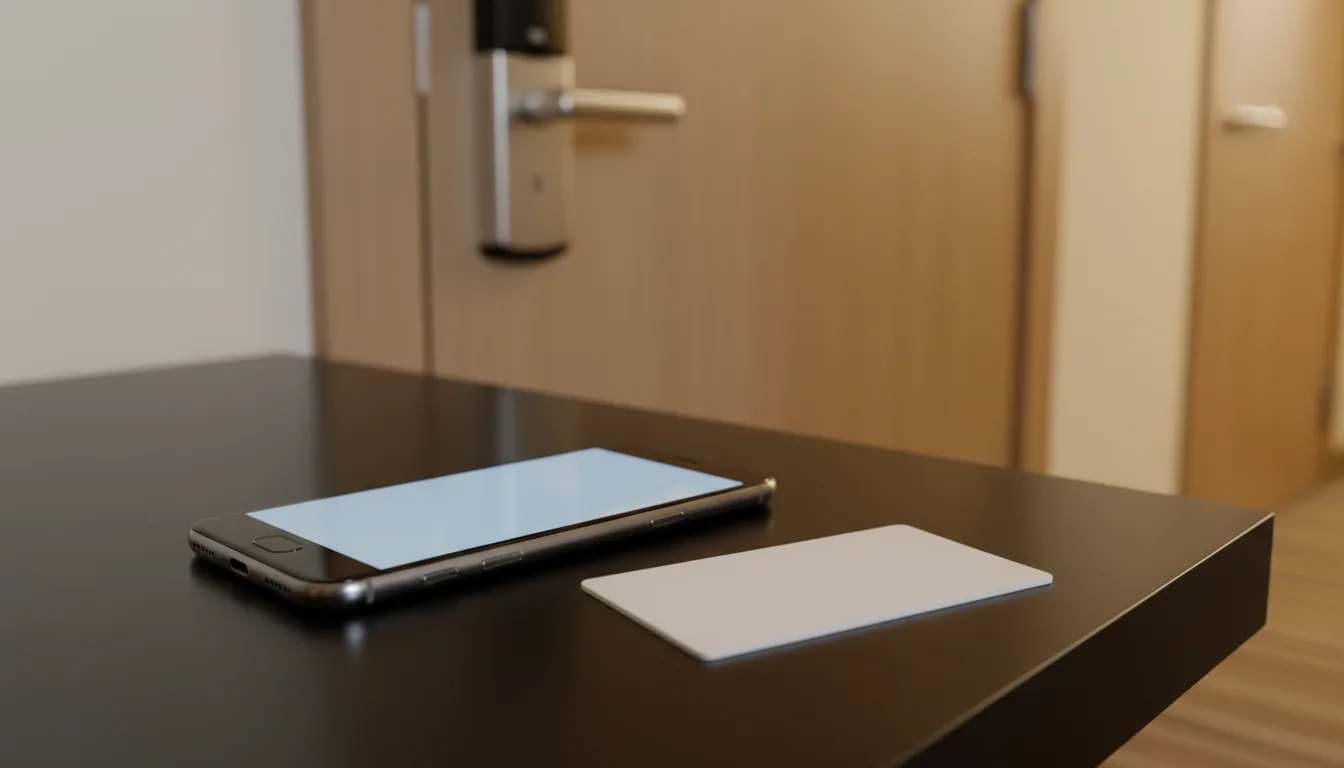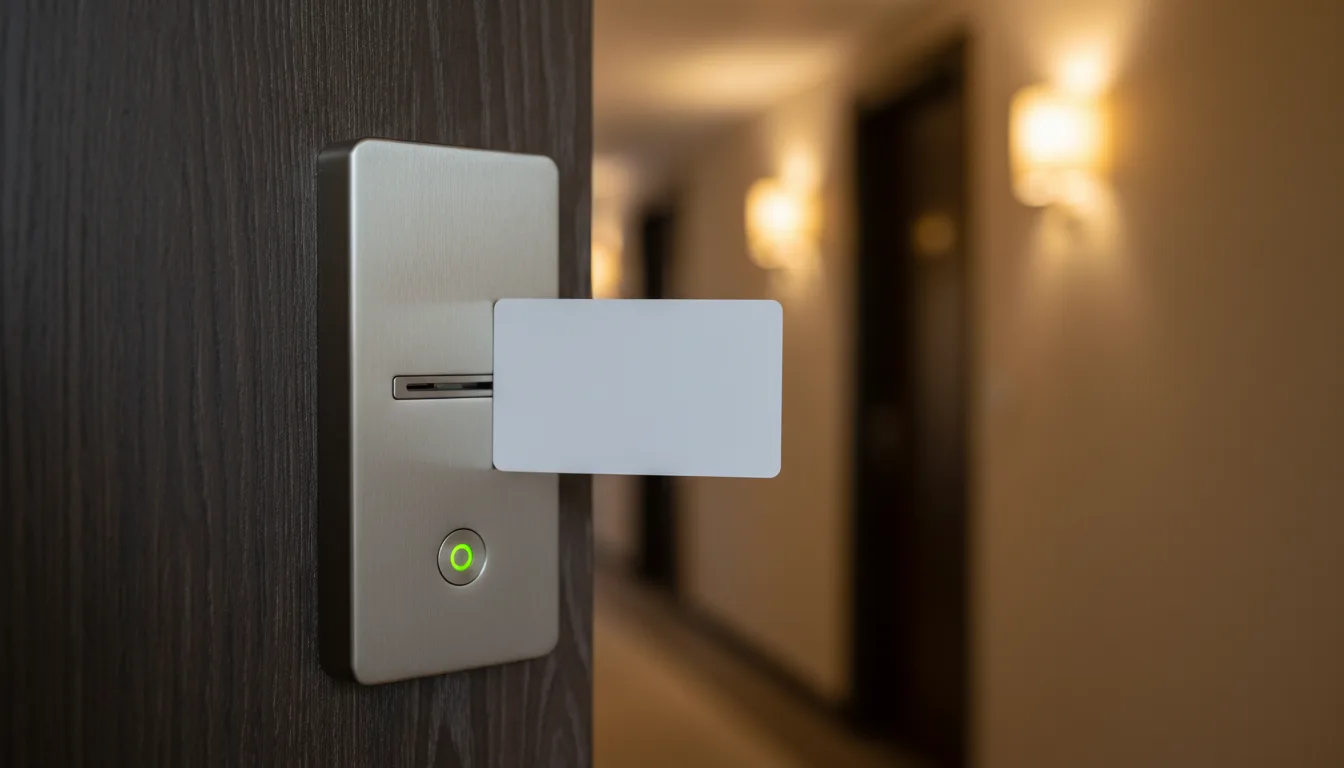
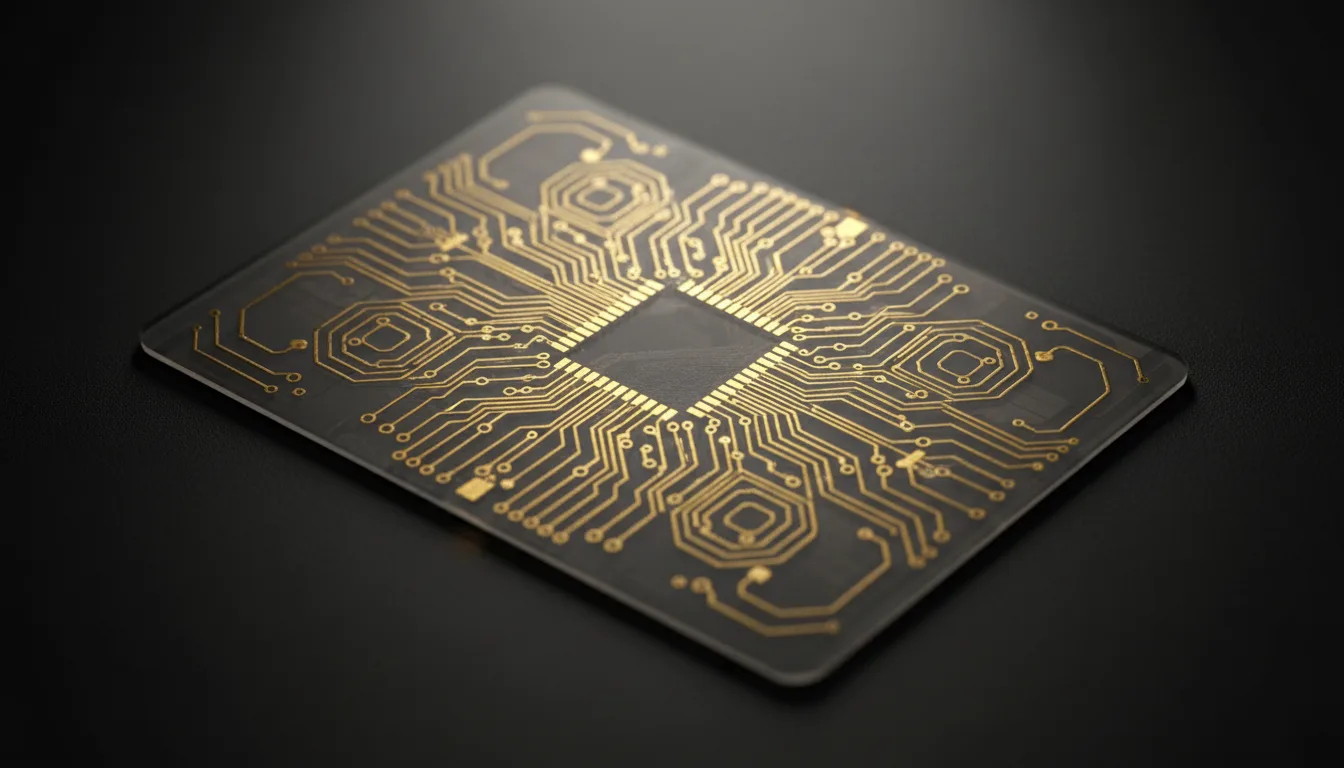
As Saudi Arabia's luxury hotel sector expands at an unprecedented pace, properties are increasingly moving beyond basic MIFARE Classic keycards to adopt the MIFARE DESFire EV3, NXP Semiconductors' most advanced contactless smart card IC. With AES-128 encryption, Common Criteria EAL5+ certification, and multi-application support, DESFire EV3 is setting a new security and functionality standard for premium hospitality.
Security That Matches the Investment
MIFARE Classic, while still widely used and reliable for standard hotel operations, relies on Crypto-1 encryption — a protocol developed decades ago. MIFARE DESFire EV3 employs AES-128 encryption with mutual authentication, meaning both the card and the reader must verify each other before any data exchange occurs. This prevents cloning, skimming, and relay attacks that can compromise guest security.
For luxury properties investing millions in guest experience and brand reputation, the additional per-card cost of DESFire is negligible compared to the security assurance it provides.
One Card, Multiple Functions
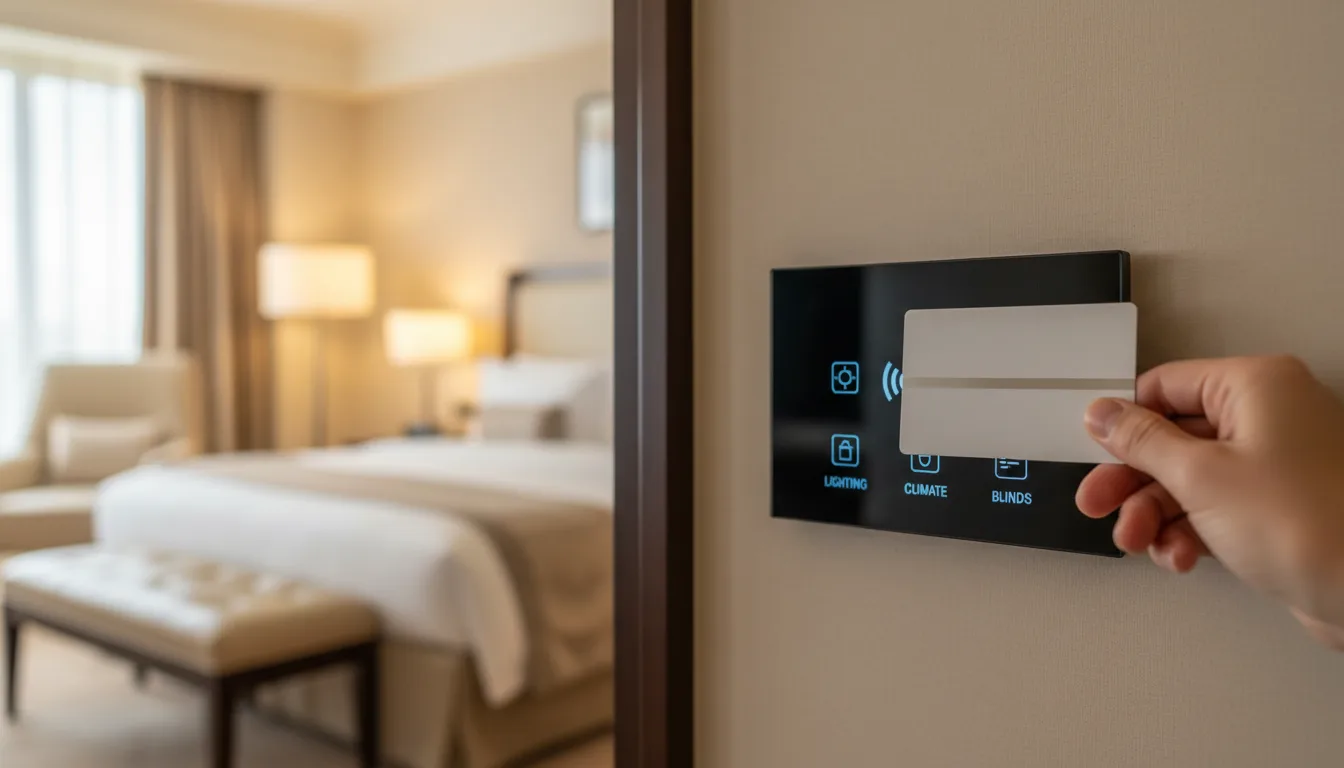
DESFire EV3's architecture supports multiple independent applications on a single card. A guest can use one keycard for room access, elevator authorisation, parking garage entry, spa and gym access, restaurant charging, and even public transport integration — all secured in separate, isolated application spaces.
NXP's AppXplorer cloud platform enables hotels to manage these applications flexibly, adding new services without replacing physical cards. This future-proofing capability is particularly valuable for properties that plan to expand their guest services over time.
DESFire EV3 Specifications
AES-128
Encryption standard
EAL5+
Security certification
SUN
Secure Unique NFC messaging
Adoption in the Saudi Market
The trend toward DESFire EV3 adoption in Saudi Arabia is being driven by two factors: the high security expectations of international luxury hotel brands entering the market (Four Seasons, Ritz-Carlton, Rosewood), and the Kingdom's own data protection regulations. With the PDPL now enforceable, properties handling guest access credentials have stronger motivation to use encryption that meets international best practices.